Playing poker with friends online has never been easier. In 2026, beginner-friendly apps, private tables, and hybrid play (physical cards + virtual chips) have become the new norm.
This guide walks you through every way to play, how to choose the right platform, a clear rundown of the rules, and beginner strategies your group can use immediately. When you’re ready to go deeper on specific concepts (preflop charts, hand rankings, poker lingo, etc.), you’ll also find natural paths to more advanced explanations throughout this article.
Chips of Fury remains the default recommendation because it’s the most beginner-friendly, works with every game mode, and removes the math that usually slows new players down.
Quick Summary (Play in 5 Minutes)
Here’s the fastest way to play poker with friends online:
-
Pick a platform
For beginners, Chips of Fury is the simplest and most flexible option. We have compared some other good apps in this space below if you want to explore more options. -
Create a private table
Start with Texas Hold'em. It's the most beginner-friendly variant. If you want a deeper walk-through, check out our beginner-friendly Texas Hold’em rules overview later in this guide. -
Share the invite link or game code
-
Optional: Start a video/voice call You can use Zoom/Discord etc. to connect with friends. Or use the in-built voice chat in Chips of Fury.
-
Play your poker night
Done. You’re playing in minutes.
Ways To Play Poker As A Beginner
Most players don't realize there are three distinct ways to play poker with friends online, each ideal for different setups.
Option 1: Use Physical Cards + Virtual Poker Chips App
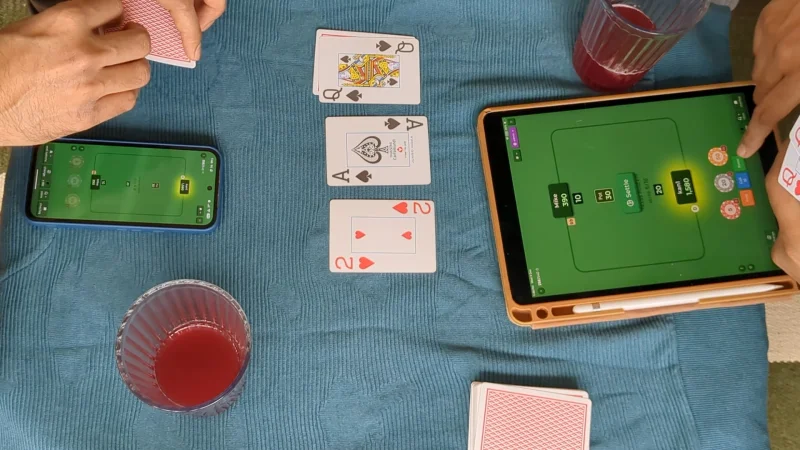
Perfect for in-person home games, families, and teaching nights.
Everyone uses physical cards while a virtual chips app like Chips of Fury handles:
- Bets
- Stacks
- Pot sizing
- Side pots
- Settlements
If you’ve ever struggled with buy-ins or balancing stacks manually, you’ll appreciate how much smoother things feel.
This hybrid setup teaches beginners the real game without overwhelming them.
Option 2: Fully Online Poker (Web or Mobile Apps)
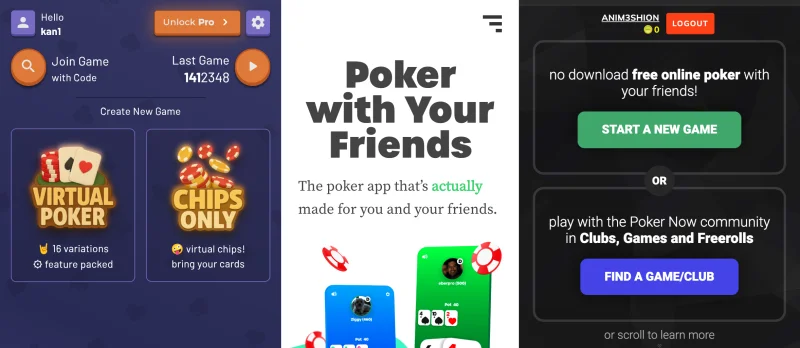
This is the classic approach when everyone is remote.
Platforms include:
- Chips of Fury
- Poker Now
- Poker Patio
- unmasked.poker
Fully online tables are best for groups that want seamless play without relying on physical cards. If you're curious about the variations beyond Texas Hold’em or Omaha, our breakdown of the five most popular poker variants will help you choose what your group might enjoy next.
Option 3: IRL (in real life) play but with an app instead of cards and chips
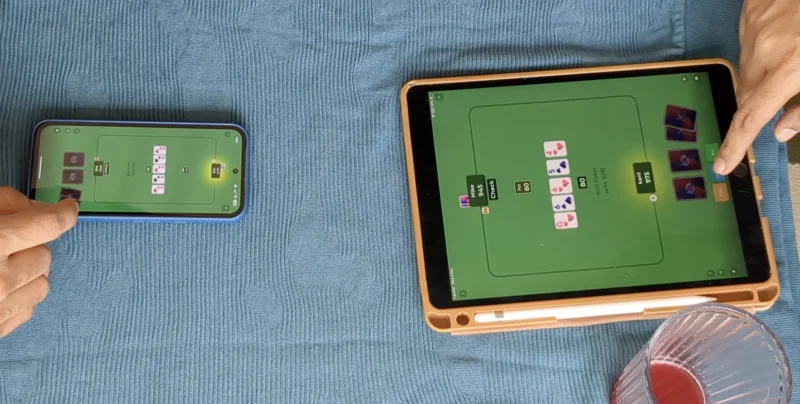
Great for when you want to have an impromptu game without any physical items.
Scenarios include:
- Playing in a small space, like a cozy coffee shop or a dive bar
- Want to just play fast with lots of hands per hour
- Travelling/Camping/Hiking and not carrying any cards & chips
No matter how you play, for quick casual games, a set of agreed-upon poker house rules keeps games moving and avoids confusion, especially with newer players. You can save a template of your favorite settings in Chips of Fury for easy reuse.
Best Platforms to Play Poker With Friends Online (Tested & Compared)
For friends running casual home games who want to decide fast.
TL;DR
- Chips of Fury: web + iOS + Android, no signup, chip-tracking for live card nights, ~30s to get on a table and start playing, 15+ variants, generous ad-free free plan
- PokerNow: browser-only, no signup, quickest purely online table; no mobile apps or virtual poker chips.
- Poker Patio: browser-only, no signup, simple interface; Texas Hold'em only, no mobile apps.
- Unmasked Poker: browser-only with built-in video; no apps, no digital chip tracking.
- Easy Poker: mobile-only, simple, download required; small tables on free tier.
- PPPoker/ClubGG: best for large online clubs and real-money style play; slower setup, paywalls common.
Best Pick by Scenario
| If you want... | Best pick | Why it fits | Runner-up |
|---|---|---|---|
| Home games with many variations | Chips of Fury (CoF) | Biggest variation library |
Poker Now |
| Have cards but no chip set | CoF | Chips Only Mode | - |
| Play on desktop (browser) | Poker Now | Designed for bigger screens | CoF |
| Virtual games on Mobile | CoF | Mobile first with native apps | Easy Poker |
| Large online clubs/unions | PPPoker | Club tooling, agents, unions | ClubGG |
Can Everyone Join Fast?
| App | Platforms (count) | Signup required | Download needed | Time to play (est.) |
|---|---|---|---|---|
| Chips of Fury | Web, iOS, Android | No | Optional | ~15s |
| Poker Now | Web only | No | No | ~15s |
| Poker Patio | Web only | No | No | ~15s |
| Unmasked | Web only | No | No | ~15s |
| EasyPoker | iOS, Android | No | Yes | ~45s |
| Pokerrrr 2 | iOS, Android | Yes | Yes | ~2 min |
| PPPoker | iOS, Android, Windows | Yes | Yes | ~5 min |
| ClubGG | iOS, Android, Win/Mac | Yes | Yes | ~5 min |
Takeaway: Chips of Fury is the only option here with both native apps and a full web client, making it easiest when your group mixes phones and laptops.
Pricing Breakdown
Chips of Fury
- Free: Texas Hold'em, Omaha, all core features, no ads
- Pro: $3.99/mo or $24.99/yr. 15+ variants, advanced host controls, all customization
- Every game includes 30 minutes of Pro features free
Poker Now
- Free: Core features, public/private tables, built-in video chat
- Plus: $9.99/mo or $69.60/yr. Custom avatars, AI analytics, 2 clubs (10 members each)
- Platinum: $49.99/mo or $499/yr. 10 clubs (100 members each), 600-player MTTs
- Browser-only, no mobile apps
Poker Patio
- Free: All game modes, no registration required
- Go Gold: $3.99/mo or $37.99/yr. Cosmetic upgrades, ad-free, extended lobby persistence
- Texas Hold'em only, browser-only, no mobile apps
Unmasked Poker
- Free: Everything. No paid tier exists
- Built-in video chat, browser-only; may not be in active development
EasyPoker
- Free: Up to 6 players, voice chat, multiple variants
- Plus: $5.99/mo or $29.99/yr. Up to 12 players, advanced customization, ad-free
- Mobile-only (iOS/Android), no web version
Pokerrrr 2
- Free: First 20 minutes per game
- Paid: Gold coins (~$1/hr for extended play, purchased in-app)
- Mobile-only, 8+ game variants including OFC and Stud
PPPoker
- Free: Download and basic club play
- Paid: In-app purchases for cosmetics; VIP/Black Card for detailed stats
- Club-based with unions, mobile-first, no browser version
ClubGG
- Free: Clubs up to 100 members, play chips only
- Standard: $9.99/mo. Tournament access, Smart HUD, GGClass training
- Platinum: $49.99/mo. Unlimited tournament entries, WSOP satellite access
- No cash redemptions since April 2025; rewards are tournament tickets only
Why Chips of Fury Stands Out for Home Games
- True cross-platform: native iOS/Android plus browser; works on any modern device.
- Zero friction: share a code (or direct link), no accounts; great for drop-in friends.
- Chips Only mode: use real cards at the table while the app handles chip tracking, bets, and side pots.
- Variety for dealer’s choice: 15+ variants (Hold'em, four Omahas, Short Deck, Pineapple trio, Irish, Watermelon, Double Board, more).
- Fair pricing: free forever for common features (play Texas Hold'em, Omaha for free); low-cost Pro plan for access to all features.
When Another App Might Be Better
- You're joining or managing large online clubs: PPPoker or ClubGG. For the rest of the use-cases, Chips of Fury, or any of the other apps as well work better.
How to Play Poker With Friends Online (with Chips of Fury)
Let’s walk through a beginner-friendly setup.
Step 1: Create a game
- Click on Create Game on the homepage.
- Select your preferred settings (game type, blinds, starting stack, etc). Defaults are great for beginners.
- Click Create Game to generate your private table.
Step 2: Share the Game Code or Link with Friends
- Click on the game code to share a link with friends
- Or simply tell them the game code
Step 3: Approve players as they join
- As admin, you Approve (or Deny) player join requests
- Give Chips to players
- Start the game when everyone is ready
Step 4: Start a Video Call (Optional)
Zoom, Discord, Google Meet all work great. You can also use the in-built voice chat in Chips of Fury.
Poker Game Types & Variations (Beginners' Guide)
Poker nights almost always start with Texas Hold'em. And that's fine! But give it a few months, and someone's gonna suggest trying something different. "What about Omaha?" or "I heard Pineapple is wild.". Here's a short list of the popular variations.
Texas Hold'em
There's a reason this is the one you see on TV. Two hole cards, five community cards, and enough strategic depth to keep you hooked for years, yet simple enough that your friend who's "never really played cards" can pick it up in one round.
This is usually where beginners start.
Omaha
Four hole cards instead of two. Sounds like a small change, right? It's not.
Omaha cranks up the action because everyone's sitting on more potential hands, which means bigger pots, crazier showdowns, and that one friend who keeps forgetting they must use exactly two cards from their hand.
Pineapple / Crazy Pineapple
Want chaos? This is the variant for you.
You get three hole cards, then toss one after the flop. It's Hold'em's wilder cousin with more playable starting hands, more "I can't believe that hit" moments, and honestly just more fun for casual nights where nobody's taking things too seriously.
Cash Games vs Tournaments
Quick distinction that trips up new players:
Cash games let you buy in, cash out, and leave whenever. Chips equal real value (or whatever your group's tracking). Perfect for beginners because there's no pressure. Lose your stack, rebuy, keep hanging out.
Tournaments are less common in home games. Everyone starts with the same chips, blinds increase over time, and you're out when you're out. More structured, more strategic, but also more commitment. They can be useful if you want to keep strict time bounds and not have people coming and going.
Poker Rules & Hand Rankings (Beginner-Friendly)
Here's everything you need to actually sit down and play. Keep this section open during your first few games. Most beginners do.
How a Hand Plays Out
Every poker hand follows the same pattern:
- Two players post blinds (forced bets to create action)
- Everyone gets hole cards (your private cards, 2 in Hold'em)
- Betting rounds happen as community cards are revealed
- Best five-card hand wins (or everyone else folds)
That's it. Everything else is just details.
The Four Betting Rounds
| Round | What happens | Cards on board |
|---|---|---|
| Preflop | You look at your hole cards and decide to play or fold | None yet |
| Flop | Three community cards are dealt face-up | 3 cards |
| Turn | One more community card | 4 cards |
| River | Final community card | 5 cards |
After each round, there's betting. After the river, anyone still in shows their cards (the "showdown").
Your Four Options When It's Your Turn
| Action | What it means | When to use it |
|---|---|---|
| Check | "I bet nothing, but I'm staying in" | Only works if nobody's bet before you |
| Call | "I match the current bet" | When you want to see more cards without raising |
| Raise | "I increase the bet" | When you have a strong hand or want to bluff |
| Fold | "I'm out of this hand" | When your cards aren't worth the price |
Quick tip: If someone bets and you want to stay in, you must at least call. You can't check after someone bets.
Hand Rankings (What Beats What)
This is the part that scares new players. Don't overthink it. After a few games, you'll recognize these instantly. Here's the full list from strongest to weakest. For more detail with tie-breaker rules and examples, see our complete hand rankings guide.
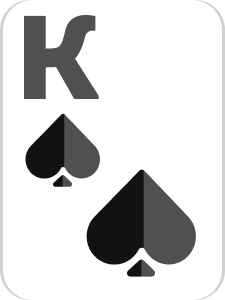
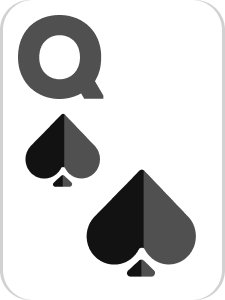
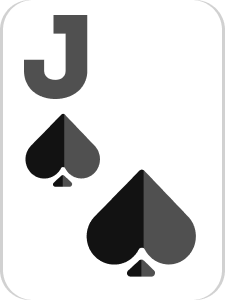
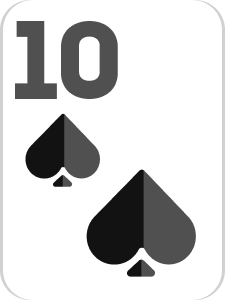
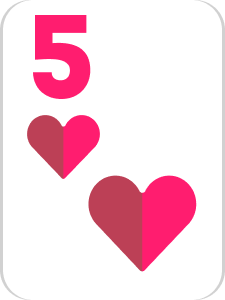
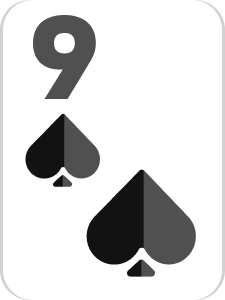
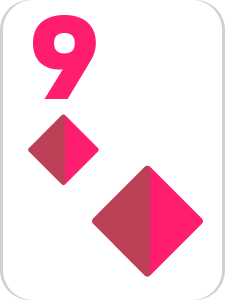
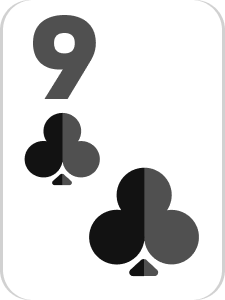
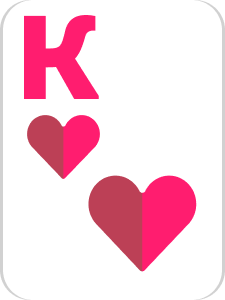
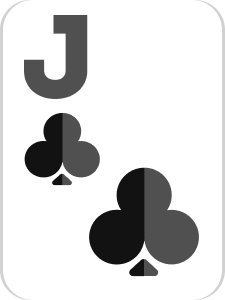
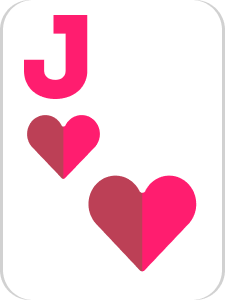
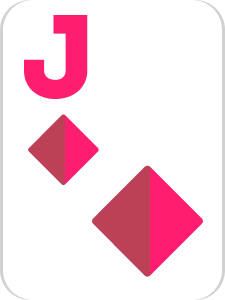
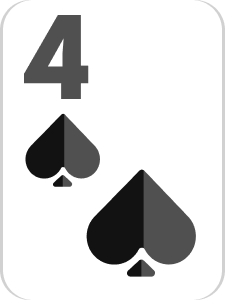
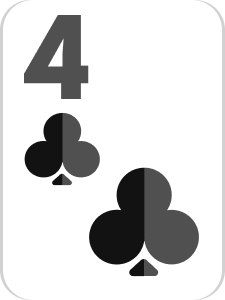
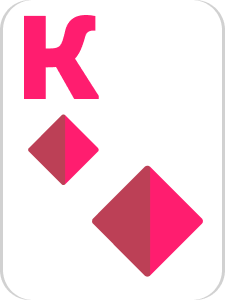
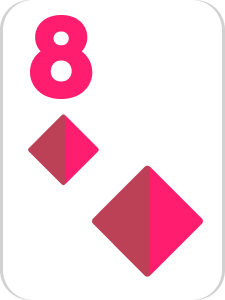
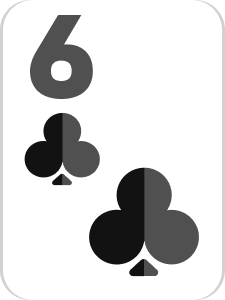
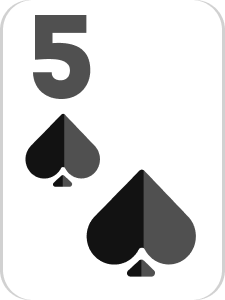
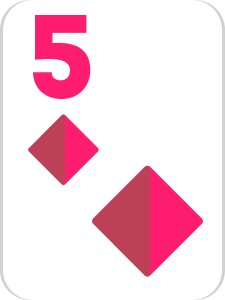
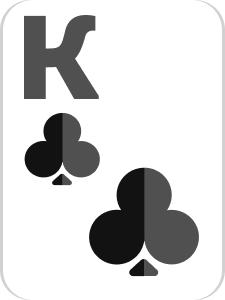
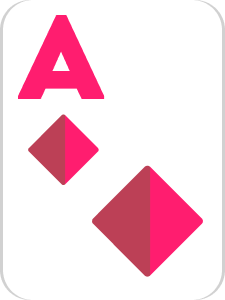
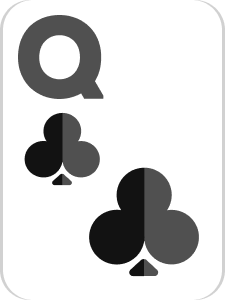
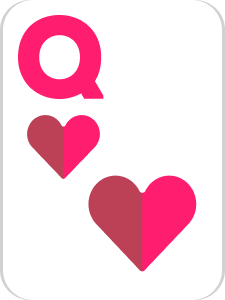
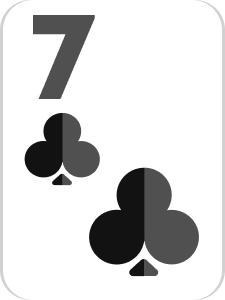
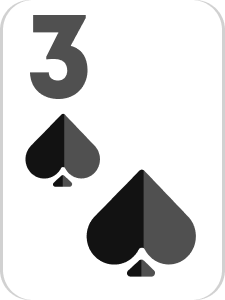
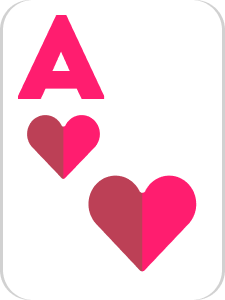
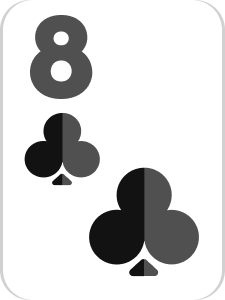
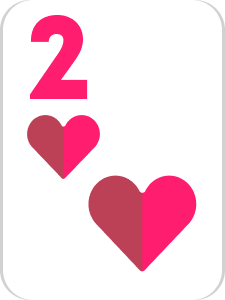
Odds for Texas Hold'em (best 5 of 7 cards)
The simple logic behind rankings: Rarer hands beat common hands. That's it. A royal flush happens once in 650,000 hands. A pair happens all the time. Rarity equals strength.
What you'll actually see: Forget about royal flushes. Most pots at home games are won with one pair, two pair, or even high card. If you hit three of a kind, you're probably winning. A full house at a friendly game usually takes the whole pot.
The Part Everyone Gets Wrong
New players constantly mix up straights, flushes, and full houses. Here's a memory trick:
A house contains plumbing. Picture a house. Inside it has flushing toilets connected by straight pipes. The house contains the flush, which contains the straight.
🏠 Full House
 └─ 💧 Flush
     └─ ➡️ Straight
So: Full House > Flush > Straight. The container beats what's inside it.
What's a Kicker?
When two players have the same type of hand, the "kicker" decides who wins. This trips up beginners constantly.
Say you have A♠ 9♦ and your friend has A♥ 5♣. The board is A♣ K♦ 7♠ 4♠ 2♥. You both have a pair of aces. But you win because your 9 beats their 5 as the kicker. Your best five cards are A-A-K-9-7. Theirs are A-A-K-7-5.
Kickers only matter when hands are otherwise tied. With two pair or better, look at the pair ranks first. If those match, then check kickers.
The Ace Confusion
The ace can be high (part of A-K-Q-J-10) or low (part of A-2-3-4-5). But it can't wrap around. K-A-2-3-4 is not a straight. Beginners try this all the time. It doesn't work.
Building Your Best Five Cards
Your final hand is the best five cards you can make from your two hole cards plus the five community cards. You can use:
- Both hole cards + 3 from the board
- One hole card + 4 from the board
- Just the board (called "playing the board")
This confuses new players because you don't have to use both hole cards. If the board shows A♠ K♠ Q♠ J♠ 10♠, everyone has a royal flush regardless of their hole cards, so it would be a split pot.
Beginner Poker Strategies
You don't need to study for months before your first game. These five concepts will put you ahead of most casual players immediately. For a deeper framework, see our beginner poker strategy guide.
1. Play Fewer Hands (Seriously, Way Fewer)
New players play too many hands. It's the #1 mistake.
Here's a simple rule: if your two cards aren't in this list, just fold.
Always play:
- Pairs (any pair, 22 through AA)
- Two cards 10 or higher (KQ, QJ, KJ, AQ, AK, etc.)
- Suited connectors (8♥ 9♥, J♠ 10♠)
- Any ace with a decent kicker (A9 or better)
Fold everything else. Yes, that means folding K3, Q5, J4, and all that junk. It feels boring at first, but you'll win more.
2. Position Matters More Than Your Cards
"Position" means where you sit relative to the dealer button. It rotates each hand.
- Early position (first to act): Play tight. You have no information.
- Late position (dealer or one before): Play looser. You've seen everyone else act.
Here's why it matters: if you're last to act, you've watched everyone bet, check, or fold before you decide. That's a huge advantage. The same hand that's a fold in early position might be a raise in late position.
3. Bet When You're Strong, Don't Just Call
Beginners call too much. They want to "see what happens."
But here's the thing: betting does two things calling can't:
- It can win the pot right now (everyone folds)
- It builds the pot when you're ahead
If you have a good hand, bet it. If you're not confident enough to bet, consider folding instead of calling.
4. Spotting Basic Tells
In friendly home games, people give away information constantly. Watch for these:
In-person tells:
| What you see | What it usually means |
|---|---|
| Shaky hands when betting | Excitement (they have a big hand) |
| Staring at you after betting | Usually bluffing (trying to intimidate) |
| Looking away after betting | Usually strong (fake disinterest) |
| Quick call | Medium hand, not strong enough to raise, not weak enough to fold |
| Long pause, then bet | Often weak (acting like a tough decision) |
Online tells:
| What you see | What it usually means |
|---|---|
| Instant call | Drawing hand or medium strength |
| Long pause, then big raise | Usually very strong |
| Unusual bet sizing (like 77 instead of 75) | Often a bluff |
| Suddenly playing way more hands | Probably tilting (frustrated) |
These aren't foolproof, and good players mix it up. But in casual games, they're reliable more often than not.
5. The Mistakes That Cost Beginners the Most
| Mistake | Why it hurts | The fix |
|---|---|---|
| Playing too many hands | You enter pots with weak cards and lose slowly | Use the starting hand list above |
| Calling instead of raising | You let opponents see cheap cards and outdraw you | If it's worth calling, ask yourself if it's worth raising |
| Ignoring position | You make decisions without information | Play tighter in early position, looser in late |
| Bluffing too often | Casual players call too much for bluffs to work | Bluff rarely, and only against players who actually fold |
| Chasing draws | Hoping for that flush or straight that doesn't come | Learn pot odds, or just fold when it's expensive |
Quick Glossary
A few terms you'll hear at the table:
| Term | Meaning |
|---|---|
| Blinds | Forced bets from two players to start the action |
| The nuts | The best possible hand given the board |
| Pot odds | Whether the bet size justifies chasing a draw |
| Tilt | Playing emotionally (usually badly) after a bad beat |
| Donk bet | Betting into the previous aggressor (often weak) |
| Value bet | Betting because you want to be called |
Beginner Poker Etiquette
There are some unsaid rules at the poker table. Following these keeps the game fun for everyone. Most of these rules are automatically enforced when using an online poker app like Chips of Fury. But if you are playing in person, with real cards and chips, these etiquette tips are important to follow.
Act in Turn
Wait for the person before you to finish before you do anything. Acting early gives away information. If you fold out of turn, the person ahead of you now knows they're facing one fewer opponent. You've changed their decision for them.
This one is only applicable when you are playing physically with real cards and chips. If you are using Chips of Fury, it manages the turn order for you even in Chips only mode.
Say What You're Doing
It is a good idea to announce your bet "Raise" or "Call" or "Fold." This prevents confusion when you are pushing chips into the pot.
For eg. A string bet is when you put chips forward in multiple motions. You slide out $20, pause, then add another $20. By the time you push the second set of chips, another player may have made their move. So clearly saying "I raise to $40" avoids confusion.
The Slow Roll
A slow roll is when you have the winning hand at showdown and take your time revealing it. Your opponent shows their cards, thinks they've won, starts reaching for the pot. Then you flip over a better hand. Slow rolling has no strategic purpose. The hand is over. You're just making someone feel bad for your entertainment. So if you have the winner, show it promptly.
Keep Chips Visible
Stack your chips so other players can estimate your stack size. Hiding high-value chips behind low-value ones is considered deceptive. In home games, keep stacks reasonably organized and in plain view.
One Player to a Hand
Poker is individual. Don't ask friends at the table "what would you do?" Don't offer advice to someone mid-hand. Don't announce what you folded. Don't point out that there's a possible flush on the board. If you're not in the hand, stay out of it until it's over. Then you can discuss whatever you want.
For a complete framework on house rules and game-night logistics, see our guide to hosting a poker night.
FAQs
How many people do you need to play poker?
Two is the minimum. This format is called "heads-up" and plays faster with more aggression. For Texas Hold'em home games, six to nine players is the sweet spot. Enough action to keep things interesting, not so many that hands drag. Ten is the typical maximum for a single table.
How long should a poker night last?
Two to four hours works for most groups. At roughly 25 hands per hour, you'll see 50 to 100 hands in that window. Enough for skill to matter and for everyone to feel they played real poker. Set a hard end time before you start. People have lives.
What blinds should beginners start with?
For cash games, 25/50 or 50/100 chips with starting stacks of 50 to 100 big blinds. This gives everyone room to play without feeling short-stacked immediately. If running a tournament, increase blinds every 20 to 30 minutes so the game wraps up in your target timeframe.
Is poker luck or skill?
Both. In a single hand or session, luck dominates. The cards fall how they fall. Over hundreds of hands, skill takes over. Simulations show skill becomes the dominant factor after roughly 1,500 hands of play. A study of the 2010 World Series of Poker found that players identified as highly skilled beforehand achieved a 30% return on investment, compared to -15% for everyone else. That gap would be statistically impossible if poker were purely luck.
Can complete beginners play with experienced players?
Yes, with adjustments. Keep stakes low so losses stay small while learning. Experienced players should avoid exploiting obvious beginner mistakes too aggressively; it kills the fun and empties pockets faster than anyone learns. A brief rules walkthrough before the first hand helps. Most beginners pick up the basics within an hour of play.
Ready to play? Start a free game on Chips of Fury and have your friends at the table in under a minute.