You sit down at your weekly home game, buy in for $40, and three hours later you're reaching for your wallet again. The hands blur together. You made "reasonable" calls, played "decent" cards, and somehow the guy who shoves every other hand is stacking your chips.
This isn't a luck problem. This pattern repeats at every home game, every $1/$2 table, every friendly tournament - and after 17 years and over 3 million hands of poker, we've seen it play out the same way every time. The gap between knowing the rules and actually winning is where most players get stuck for months or years.
This guide closes that gap with a tight-aggressive system built for beginners at home games and low-stakes tables. No fluff, no theory overload. Four concrete steps that change how you play tonight.
Fair warning: some of this advice will feel boring. Play fewer hands. Skip the flashy bluffs. That's not sexy, but it's what works. Professional players fold more hands than you'd guess from watching TV. The players who lose money are the ones who can't resist "just seeing one more flop."
The 5 Golden Rules of Beginner Poker
- Raise or fold — never limp. Limping signals weakness and gives up initiative.
- Play ~20% of hands. Tighter from early position, wider from the button.
- Position beats cards. The same hand is a fold in early position and a raise on the button.
- Bet your strong hands. Don't slowplay. Build pots when you're ahead.
- If you're tilting, stop playing. Frustrated poker is bad poker.
These five habits alone will put you ahead of most players at your table. The rest of this guide explains why each one works.
Already Know the Rules?
This guide is pure strategy. If you need a refresher on the fundamentals first:
- Poker Hand Rankings Explained - Which hands beat which, with a memory trick that sticks
- How to Play Texas Hold'em - The complete flow of a hand, from blinds to showdown
- Poker Terms for Beginners - Every term you'll see in this guide, defined simply
Already comfortable with the basics? Good. The strategy that separates winners from everyone else starts now.
Before You Play - The Beginner Mindset
Why Most Beginners Lose (And How to Avoid It)
Ask any experienced player what separates winners from losers at low-stakes tables, and you'll hear the same patterns over and over:
They play too many hands. New players look at their two cards and want to gamble. A-4? "Well, it's an ace." K-7 suited? "Could make a flush." 9-6? "Might hit something." This thinking bleeds money. In poker, depending on the table situation, only about 20% to 40% of starting hands are profitable long-term winners. That means you are folding more hands than you play. Learning which hands to play takes time to master, and there is a lot of math and discipline that goes into it. So it is not a skill that you can learn overnight. But as a beginner, it helps to keep this in mind.
They call when they should fold or raise. Beginners love calling. It feels safe - you're still in the hand without committing too much. But calling is often the worst option. When you bet or raise, you can win two ways: your opponent folds, or you make the best hand. When you call, you can only win one way. This single habit - calling too much - is probably costing you more money than any other leak.
They ignore position. Where you sit relative to the dealer button might seem like a minor detail. It's not. Acting last gives you information about what everyone else did before you have to decide. Acting first means you're flying blind. Good players play 2-3x more hands from late position than early position. Beginners play the same hands everywhere and wonder why they keep getting outmaneuvered.
They tilt after losing. You make the right call, your opponent hits a miracle card on the river, and suddenly your stack is halved. The temptation to "win it back" with aggressive, reckless play is overwhelming. This emotional spiral - playing worse because you're upset about losing - destroys more bankrolls than bad cards ever could. The cards don't know you're frustrated. They don't owe you a win.
This guide addresses each of these weaknesses directly with tight, aggressive fundamentals and a structured approach to every decision.
The Three Pillars of Winning Poker: Math, Psychology, Discipline
Every winning poker player - from the weekend grinder to the World Series champion - relies on three interconnected skills. You don't need to master all three immediately, but you need to know they exist and start building each one.
Math: The Foundation You Can't Bluff Your Way Around
Poker math sounds intimidating, but at the beginner level, you only need a handful of concepts:
- Hand rankings: Know instantly whether a flush beats a straight (it does) or whether two pair beats three of a kind (it doesn't). Confusion here costs you money.
- Pot odds: If the pot is $30 and you need to call $10, you're getting 3:1 odds. That means you need to win more than 25% of the time for the call to be profitable. If your draw only hits 20% of the time, fold. To be honest, this is an intermediate concept. Mentioning it here so that you get a taste of the math side of poker. (Learn More)
- Expected Value (EV): This is the average result of a decision if you made it thousands of times. A simple formula: (% chance of winning × amount you'd win) minus (% chance of losing × amount you'd lose). Positive number = good decision. Negative number = bad decision. Again, this is an intermediate level concept, but it gives you some intuition about the math behind poker. Learn More
Psychology: Reading People, Not Minds
Forget the Hollywood version of poker tells where someone's eye twitches and you know they're bluffing. At beginner tables, psychology is simpler: watch how much someone plays and how aggressively they bet.
The player who plays every hand and never raises is a calling station - don't bluff them, just bet your good hands. The player who folds everything and suddenly raises? They have the nuts. Fold. The style you should aim for is tight-aggressive: play few hands, bet them hard.
You don't need a detailed system yet. Just pay attention. After 20-30 hands, you'll have a rough read on everyone at the table.
Discipline: The Multiplier That Makes Everything Else Work
You can know all the math and read every opponent perfectly, but without discipline, you'll still lose. Discipline means:
- Folding a hand you want to play because the situation is wrong
- Walking away from a table when you're tilting
- Sticking to your bankroll limits even when you're "sure" you can win it back
- Making the boring, correct play instead of the exciting, risky one
The best players aren't the ones who make brilliant plays - they're the ones who consistently avoid bad ones. Discipline is the multiplier. Good math × good reads × poor discipline = losing player. Decent math × decent reads × strong discipline = winning player.
Setting Expectations: Variance, Luck & Long-Term Thinking
You can make the perfect decision and still lose. Pocket aces against pocket kings is an 80/20 favorite, and one time in five that king hits the board. That's not bad play. That's variance - the gap between what should happen and what actually happens in the short term.
Over thousands of hands, luck evens out and skill takes over. The math doesn't care about your feelings. If you consistently make positive expected value decisions, you will profit long-term. Not might. Will.
The trap: beginners credit wins to skill and blame losses on bad luck. This prevents improvement because you never examine your actual mistakes. A better approach is to judge sessions by decisions, not results. "Did I play well?" matters more than "Did I win?"
How to keep your head straight at the table:
- Set a loss limit before you sit down. Whether it's $20 at a home game or a tournament buy-in, decide upfront and stick to it.
- Don't keep score session by session. Your real skill shows up over dozens of games, not one.
- Laugh off the bad beats. Your aces got cracked by 7-2? It happens. Getting mad won't un-lose those chips.
- Notice when you stop having fun. Chasing losses, snapping at your friends? Take a break. Frustrated poker is bad poker.
Step-by-Step Beginner Poker Strategy
Here's your default decision-making framework. Follow this until the patterns become automatic.
Step 1 — Preflop: What Hands to Play
Most beginners play way too many hands. Professional players fold around 70% of their starting hands. That's not pessimism - it's math.
The hands worth playing depend on your position. The later you act, the more hands become profitable. And the weaker the players at your table, the more hands you can play profitably - a loose home game where everyone limps into every pot is a different animal than a tough casino table full of regulars. Adjust accordingly, but when in doubt, play tighter.
Quick Guide to Hand Notation
Before we go further, here's how poker players write hands:
- AA, KK, QQ = A pair of aces, kings, or queens
- AK = Ace-King (any suits)
- AKs = Ace-King suited (both cards same suit, like A♠K♠)
- AKo = Ace-King offsuit (different suits, like A♠K♥)
- T = Ten (we use T so every card is one character)
Suited hands are stronger than offsuit because they can make flushes.
Understanding Table Position
Picture the poker table as a clock. The dealer button rotates each hand, and your position is measured by how far you are from acting.
clockwise
- Early position = First 2-3 seats to act after the blinds. You speak first, so everyone else gets to react to you.
- Middle position = The next 2-3 seats. Some players have already folded, so you have more information.
- Late position = The last 2 seats before the blinds (the button is best). You've seen what everyone else did.
The principle is simple: the later you act, the more you know, and the more hands you can play.
Your Starting Hands by Position
From Early Position (first to act): Play only your strongest hands. You have no information and everyone acts after you.
| Hand Type | Examples |
|---|---|
| Big pairs | AA, KK, QQ, JJ, TT |
| Ace-King | AK suited or offsuit |
| Strong aces | AQ, AJ (suited preferred) |
| King-Queen suited | KQs |
From Middle Position: You've seen a few folds, so the chance someone has a monster drops. Add:
| Hand Type | Examples |
|---|---|
| Medium pairs | 99, 88, 77, 66 |
| Good suited aces | AT suited, A5 suited |
| Suited broadway | KJ, QJ, JT (all suited) |
| Suited connectors | T9 suited |
From Late Position (button or one seat before it): This is where poker gets fun. You act last after the flop, which is a huge advantage. Add:
| Hand Type | Examples |
|---|---|
| Small pairs | 55, 44, 33, 22 |
| More suited connectors | 98s, 87s, 76s, 65s, 54s |
| Weaker suited aces | A4s, A3s, A2s |
| Good offsuit hands | AT, KJ, QJ offsuit |
Stealing the blinds: When everyone folds to you on the button or one seat before it, you can raise with a wide range. The players in the blinds will fold more than half the time. Even mediocre hands become profitable when you're winning the blinds that often.
Some hands on these charts look playable but consistently burn money. Weak aces, pretty face cards, small pairs that miss their set - we cover the specific traps in Step 3.
The "Raise or Fold" Rule
If a hand is worth playing, it's worth raising. Limping (just calling the big blind) is a losing strategy. Here's why:
- You give up initiative. A raiser can win by everyone folding. A limper can't.
- You signal weakness. Good players will raise behind you constantly.
- You can't win preflop. Raising gives you two ways to win: everyone folds, or you make the best hand. Limping only gives you one.
Standard raise size: 2.5 to 3 big blinds. If there are limpers before you, add one big blind per limper.
Step 2 — Using Position to Your Advantage
You already know position matters. Here's how to actually use it.
The Same Hand Plays Differently
Consider K♠J♠.
From under the gun: This hand sits at the bottom of what's playable from early position. If you raise and get re-raised, you're in a tough spot - call and play a bloated pot out of position, or fold and waste chips.
From the button: The picture changes completely. Everyone has folded or called. You have maximum information and will act last on every street. KJ becomes an easy raise. You can steal the blinds, and if called, your positional advantage makes the hand far more profitable.
Same cards. Different positions. Different decisions.
What You Gain When You Have Position
Information: When your opponent checks, they're often signaling weakness. When they bet, you know before you decide. Use this to call light when they seem weak and fold when they show strength.
Pot control: You decide how big the pot gets. With a medium-strength hand, check behind to keep things small. With a monster, bet for value. You're the architect.
Bluffing power: Bluffs work better in position because you've seen your opponent's action first. A check from them followed by a bet from you tells a convincing story.
Surviving Out of Position
Sometimes you're stuck acting first. Minimize the damage:
Tighten up. The blinds may act last preflop, but you'll act first on every street after. Stick to stronger hands.
Use the check-raise. This is your primary weapon when out of position. Check to the aggressor, then raise when they bet. It protects your checking range and builds pots with your strong hands.
Accept smaller pots. With marginal hands out of position, keep pots manageable. Check-call rather than leading out. Your goal is minimizing losses, not maximizing wins. At a 6-player home game, you'll be out of position more often than at a full ring table, so this matters even more.
The Simple Framework: "Later = Looser"
- Early position: Top 10-15% of hands
- Middle position: 15-25% of hands
- Button/Cutoff: 30-50% of hands when folded to you
This single adjustment - playing tighter early and wider late - will improve your results more than any other concept.
Now that you know what to play and where to play it, here's what will undo all that good work if you're not careful.
Step 3 — Traps That Catch Beginners
Knowing what to do is half the battle. The other half is knowing what not to do. These are the traps that cost beginners the most money - and you'll see every one of them at your weekly home game.
Trap 1: Top Pair, Terrible Kicker
You hold K-4 and the flop comes K-7-2. Top pair! You bet, get called. Turn is a 9, you bet again, they raise. You call. River is a 3, they shove.
The problem: Your 4 kicker - the side card that breaks ties when two players have the same pair - means you're dominated by K-Q, K-J, K-T, K-9, and even K-7 (which now has two pair). When you hit top pair with a weak kicker and face serious aggression, ask yourself: "What worse hands are raising here?" If you can't name any, fold.
Trap 2: The Calling Station Death Spiral
You hold J-9 suited. Flop: K-J-3. Middle pair with a decent kicker. They bet, you call. Turn: 7. Bigger bet, you call because "they might be bluffing." River: 2. Huge bet, you call because "I've come this far."
The problem: Against most betting ranges, middle pair is a bluff-catcher at best. And most low-stakes players don't bluff enough to justify calling three streets. One call is reasonable. Two is generous. Three is a donation. If your home game buddy who never bluffs is firing three barrels at you, believe them.
Trap 3: Playing Big Pots Out of Position
You have Q-J in the small blind. You call a raise. Flop: Q-8-4. You check, they bet, you call. Turn: 6. You check, bigger bet. Now what?
The problem: Without position, you can't control anything. You don't know if they have A-Q, K-Q, Q-T, a set, or complete air. Marginal hands played out of position create impossible spots. If you wouldn't be comfortable check-raising or betting three streets with it, consider folding preflop.
Trap 4: Slow-Playing Into Disaster
You flop a set of 7s on a board of Q-7-5 with two hearts. Instead of betting, you check to "trap." They check behind. Turn is the J of hearts - now the flush draw got there and there's a straight draw too.
The problem: Slow-playing gives free cards. When the board has flush draws or straight draws, bet your strong hands. Yes, sometimes they'll fold. That's far better than watching them hit a miracle for free.
Trap 5: The Sunk Cost Spiral
You've already put 40% of your stack in the pot. Your opponent makes a big river bet. You think: "I've invested too much to fold now."
The problem: Those chips are gone. They're not yours anymore. The only question that matters: "Given this bet size, my hand, and what they likely have, is calling profitable?" Past investments are irrelevant. Poker punishes emotional attachment to money you've already bet.
Trap 6: Fancy Play Syndrome
You have pocket aces at your home game. Instead of raising, you just call to "disguise your hand." Three players see the flop: J-T-8 with two spades. Suddenly you're in a bloated pot with the most dangerous board possible.
The problem: At low stakes and friendly home games, most opponents think only about their own cards. Your elaborate deception? They're not picking up on it. Bet your good hands, fold your bad hands, save the fancy stuff for when you're crushing your current stakes.
Red Flag Situations: Auto-Fold Territory
Turn check-raise from a passive player: When someone who usually just calls suddenly check-raises the turn, they have at least two pair. This is not a bluff.
Multiple players, multiple bets: Three players in the pot, someone bets and someone raises before it gets to you? Your top pair is worthless. The combined ranges here will crush you.
Big river bet from a quiet player: That player who's been calling all night suddenly pots it on the river? They have the goods. Passive players don't bluff rivers. Save your hero calls for a different opponent.
Step 4 — Postflop: The Three Questions
Most beginners freeze up after the flop. Too many possibilities, too much uncertainty. Cut through the noise with three questions:
Question 1: Do I Have a Strong Made Hand?
Strong made hands include top pair with a good kicker, two pair, sets (three of a kind), straights, flushes, and better.
If yes: Bet for value. You want worse hands to call. Bet around half to two-thirds of the pot. Don't get cute - strong hands make money by building pots, not by trapping.
Question 2: Do I Have a Strong Draw?
Strong draws include flush draws (9 outs), open-ended straight draws (8 outs), and combination draws (flush draw + straight draw).
If yes: Consider semi-bluffing. A semi-bluff is a bet with a hand that's not currently best but has a good chance to improve. You can win two ways: everyone folds now, or you hit your draw and win at showdown.
Calculate your pot odds before calling a bet. Count your outs (cards that complete your hand), multiply by 2 for one card to come or by 4 for two cards. That's roughly your percentage chance of hitting.
Example: You have a flush draw (9 outs). 9 × 2 = 18% on the turn. If the pot offers better than 4:1 odds, calling is profitable.
Question 3: Do I Have Nothing?
Nothing means bottom pair, no pair, weak draws with poor odds.
If yes: Fold to pressure. Don't call "to see what happens." Don't convince yourself they're bluffing. At your typical home game or low-stakes table, when people bet, they usually have something. Save your chips for better spots.
Reading the Board
Dry boards (like A-7-2 rainbow) favor the preflop raiser. Few draws available, someone usually has the best hand already. Bet your strong hands, fold your weak ones.
Wet boards (like 9-8-7 with two hearts) are dangerous. Many draws, ranges connect differently. Be careful with one-pair hands - you're often either way ahead or way behind.
Bet Sizing Basics
- Half to two-thirds pot is standard for most situations
- Bigger bets when the board is wet and you want to charge draws
- Smaller bets on dry boards where you want calls from worse hands
Avoid min-bets (they give great odds to draws) and giant overbets (they fold out everything you beat).
Putting It Together: Three Real Hands
Reading about poker strategy is one thing. Seeing it in action is another.
These three hands show the "Three Questions" framework from Step 4 in real situations. Each hand focuses on one question:
- You're ahead → Bet for value
- You're drawing → Check the math
- You're behind → Save your chips
Follow the thought bubbles - they show exactly how you should think through each decision.
Hand 1: You're Ahead - Bet for Value
You're playing a $1/$2 cash game with $200. You're on the button — the best seat at the table because you act last after the flop.
You look down at A♠A♥. Pocket aces. The best starting hand in poker.
Preflop
The blinds post their forced bets. UTG (Under the Gun) limps in for $2. Cutoff folds. Now it's your turn.
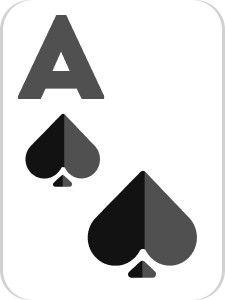
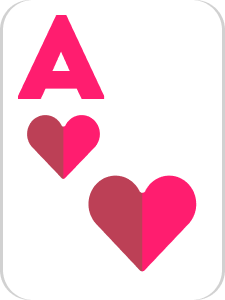
💭 Pocket aces - the best possible starting hand. Some players try to be sneaky and just call here, hoping to trap. That's a mistake. With a hand this strong, you want to build a big pot. Raise.
You raise to $8.
The Small Blind folds. The Big Blind folds. UTG calls.
Heads-up to the flop. Pot: $19.
Flop: K♦ 7♣ 2♠
UTG checks to you.
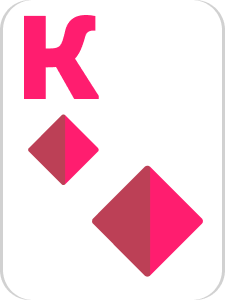
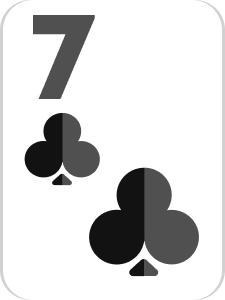
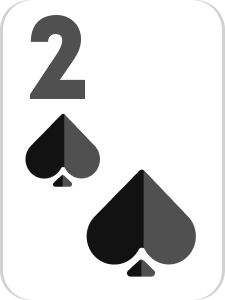
💭 Great flop for your aces. There's a king, but you still have the best pair possible - an overpair. The board is "dry": no flush possible, no obvious straight draws. Your opponent probably has a king, a smaller pair, or nothing. Any of those hands will call a bet. You're ahead - bet for value.
You bet $12. UTG calls.
Turn: 5♥
UTG checks again.
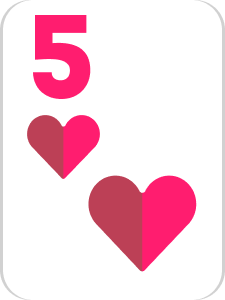
💭 The 5 changes nothing. Your aces are still best. If your opponent had a set (three of a kind), they probably would have raised the flop. They likely have a king or a medium pair. Keep betting.
You bet $28. UTG calls.
River: 3♦
UTG checks one more time.
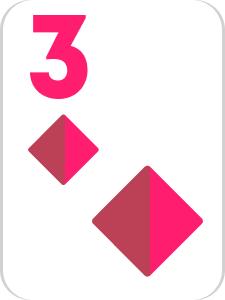
💭 Another blank. Your aces are almost certainly winning. Your opponent has called three bets - they have something. A king makes sense. One more value bet to get paid.
You bet $50. UTG calls and shows K♠J♠.
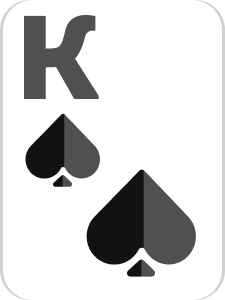
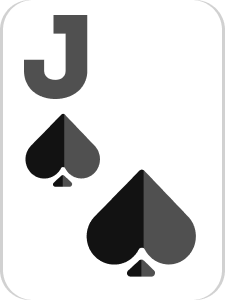
Result: You win a $199 pot with pocket aces. Your opponent had top pair with a decent kicker — exactly the kind of hand that will call you down.
The lesson: When you have the best hand, bet. Don't get fancy. Don't slowplay. Strong hands make money by building pots, not by trapping. If your opponent wants to call with worse, let them pay for it.
Hand 2: You're Drawing - Check the Math
Same $1/$2 game. You're on the button with $180 and look down at 9♠8♠ — suited connectors.
A solid player raises to $6 from early position. One player calls. You call too — suited connectors play well in position with deep stacks.
Three players see the flop. Pot: $21.
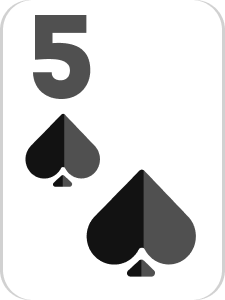
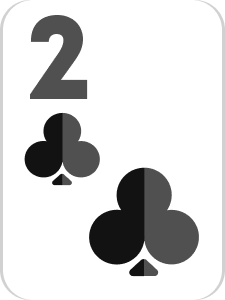
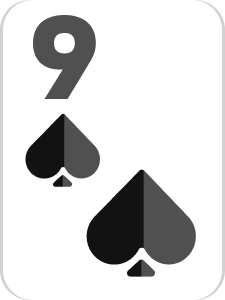
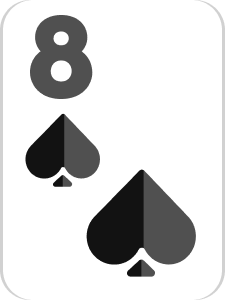
💭 You don't have a made hand - just nine-high. But you have four spades, which means you need one more spade to make a flush. That's called a flush draw. There are 9 spades left in the deck, so you have 9 "outs" - cards that complete your hand.
Villain bets $14 — other player folds.
💭 Time to do the math. The pot is $35 and you need to call $14. That's about 2.5-to-1 on your money. Your flush draw hits about 19% on the next card (9 outs × 2 = 18%). The direct pot odds say you need 29% to call... but if you hit, you'll probably win more money. That's called implied odds. With position and a hidden draw, it's worth a call.
You call $14 — pot is now $49.
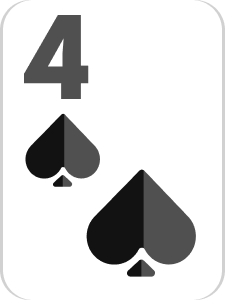
💭 The 4♠! You made your flush - one of the strongest hands in poker. But you need to get paid. If you bet big, your opponent might fold. If they check, you can bet smaller and maybe get a call.
Villain checks — your turn to act.
💭 They checked - probably scared of the flush. You have the goods, but a huge bet will scare them away. A smaller bet looks like you might be stealing. Time to get some value.
You bet $25 — Villain calls.
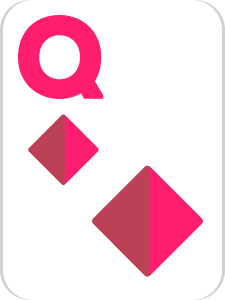
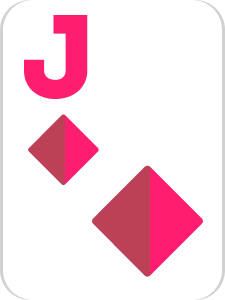
💭 The J♦ doesn't change anything - you still have your flush. One more bet to extract value. They called the turn, so they have something worth calling with.
You bet $45 — Villain calls with K♦Q♦. You win with a flush.
Result: You win a $189 pot with a flush. Your opponent had top pair with a good kicker and couldn't let it go.
The lesson: Drawing hands require math, not hope. Count your outs, check your pot odds, and only continue if the price is right. When you hit, extract value — opponents who've invested chips rarely find folds.
Hand 3: You're Behind - Save Your Chips
Same $1/$2 game. You're in the cutoff with $200 and pick up Q♠J♠ — a decent hand, but not premium.
A tight player raises to $6 from early position. You call. Everyone else folds.
Heads-up to the flop. Pot: $15.
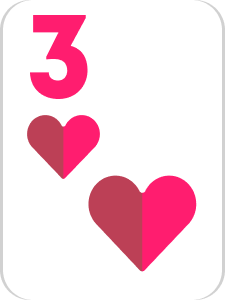
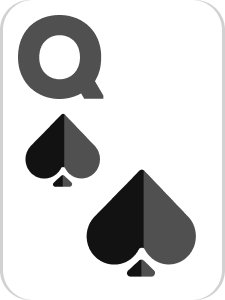
💭 Top pair with a jack kicker. That's a solid hand. But wait - this opponent raised from early position. That usually means a strong hand: big pairs or big cards like AK, AQ, KQ. If they have AQ or KQ, your jack kicker loses to their ace or king.
Villain bets $10 — your turn to act.
💭 One pair is usually good enough to call one bet. You're not folding yet - they could have AK and missed, or a smaller pair. But you're not raising either. Just call and see what they do next.
You call $10 — pot is now $35.
💭 The 9 doesn't help. They're betting again - and bigger this time. That's two bets now. Most players at this level don't bluff twice. They usually have something. Your top pair with a jack kicker is looking weaker.
Villain bets $25 — your turn to act.
💭 Call one more time, but you're not happy about it. If they fire a third barrel on the river, you're probably beat. A queen with a jack kicker just isn't strong enough against a range that raised preflop and bet twice.
You call $25 — pot is now $85.
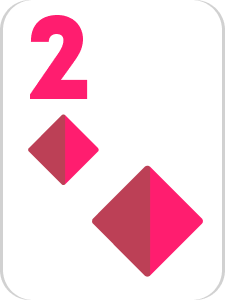
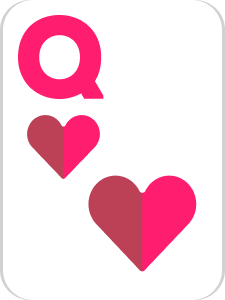
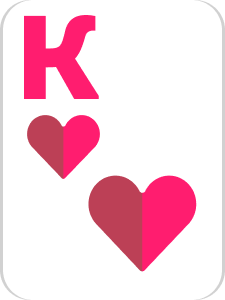
💭 Blank river. Now they're betting $55 - almost two-thirds of the pot. That's three streets of betting. At low stakes, this almost always means a real hand. What could they have that you beat? A bluff with AK? Maybe. But AQ, KQ, QQ, 99, 77, 33 - all these hands crush you. The math doesn't add up.
Villain bets $55 — decision time.
💭 This is the hardest part of poker: folding a hand that looks good. Top pair feels strong. But three big bets from a tight player? They're not bluffing. You're behind. Save the $55 for a better spot.
You fold — Villain shows Q♥K♥ (same pair, better kicker).
Result: You lose $41 instead of $96. Your opponent had the same top pair with a king kicker — exactly what their betting line represented.
The lesson: One pair is a marginal hand. When a tight opponent bets three streets, believe them. The money you save by folding is just as valuable as the money you win. Discipline isn't exciting, but it's profitable.
Your Path Forward
You've got the foundations. Here's what comes next.
Phase 1: Solidify the Basics
Before moving on, make sure you're comfortable with:
- Playing position-aware starting hands without hesitation
- Pot odds calculations for common draws
- Folding when you're beat, even with a "good" hand
- Finishing sessions without major tilt episodes
Practice these concepts in low-pressure settings. Chips of Fury is built for exactly this — run a poker night with friends where the stakes are fun, not stressful, and focus on applying one concept at a time.
You're ready for Phase 2 when: You're no longer thinking about what to play - you're curious about why certain plays work.
Phase 2: Intermediate Concepts
Hand ranges: Stop putting opponents on one exact hand. Instead, think about the range of hands they could have. " He raised from early position, so his range is weighted toward big pairs and strong aces." This shift from "he has AK" to "he has a range" changes everything.
Continuation betting: When you raise preflop and get called, betting the flop is called a "c-bet." Learn when to c-bet (dry boards that favor your range) versus when to check (wet boards where your opponent likely connected).
Board texture: A flop of A-7-2 rainbow is "dry" - few draws, one player likely has the best hand. A flop of 9-8-7 with two hearts is "wet" - many draws, ranges overlap. Adjust your aggression accordingly.
Player profiling: Categorize opponents as TAG (tight-aggressive), LAG (loose-aggressive), tight-passive, or loose-passive. Within 20-30 hands, you should have a read.
Recommended Resources
Free YouTube (start here):
- Jonathan Little / Poker Coaching: Structured, fundamental-focused content
- The Poker Bank (SplitSuit): Bite-sized strategy videos with clear explanations
- Gripsed Poker Training: Tournament-focused hand breakdowns
Free tools:
- Equilab (Windows): Standard equity calculator. Input your hand, opponent's estimated range, see your winning percentage.
- PokerStove (Windows): Similar functionality, lightweight
Paid resources (when ready):
- Upswing Lab (~$99/month): Comprehensive curriculum
- PokerCoaching.com: Good value, extensive library
Start free. Only invest money after you've exhausted free content.
Tracking Your Progress
For online play: PokerTracker 4 or Hold'em Manager 3 let you review hands and track statistics. Key numbers: VPIP ( how many hands you play), PFR (how often you raise), WTSD (how often you reach showdown).
For everyone: Mark interesting hands during play. Spend 15 minutes afterward asking: "What was I trying to accomplish? What range did I put them on? Would I play it differently?"
Signs you're improving:
- You spot mistakes opponents make
- You fold hands you would've called six months ago
- Bad beats sting less because you know you played correctly
Signs you're ready to move up stakes:
- Consistent winning results over 2-3 months (not just a heater)
- Bankroll of at least 20-30 buy-ins for your target stake
- You can identify exploitable tendencies at the higher level
Quick Reference Cheat Sheet
Position Names
If you watch poker on YouTube or read strategy articles, you'll see abbreviations like "UTG" and "CO." Here's what they mean. The only thing that actually matters: seats closer to the dealer button are better because you act later and get more information.
| Term | What it means | Good or bad? |
|---|---|---|
| Button (BTN) | The dealer position. Acts last after the flop. | Best seat at the table. |
| Cutoff (CO) | One seat to the right of the button. | Second-best seat. |
| Hijack (HJ) | Two seats to the right of the button. | Decent. Middle of the pack. |
| Under the Gun (UTG) | First person to act after the blinds. | Worst non-blind seat. Be careful here. |
| Small Blind (SB) | Posts half the minimum bet. Acts first after the flop. | Awkward position. You're out of position all hand. |
| Big Blind (BB) | Posts the full minimum bet. Gets to act last before the flop. | Forced to put money in, but at least you see a "free" flop if nobody raises. |
For home games: Your table probably has 5-6 players, not the 9-player setup you see in tournaments. Fewer positions, same principle: closer to the button = better.
Preflop Ranges (Simplified)
| Position | Raise These Hands |
|---|---|
| Early (UTG, UTG+1) | AA-TT, AK, AQ, AJs, KQs |
| Middle (LJ, HJ) | Add 99-66, ATs, KJs, QJs, JTs |
| Late (CO, BTN) | Add 55-22, suited connectors, suited aces, broadway |
| Blinds | Defend tight, 3-bet premiums |
Postflop Decision Tree
Do I have a strong made hand?
├── YES → Bet for value (1/2 to 2/3 pot)
└── NO → Do I have a strong draw?
    ├── YES → Check pot odds. Good odds? Call/semi-bluff. Bad odds? Fold.
    └── NO → Fold to pressure. Don't pay to "see what happens."
Red Flags (Consider Folding)
- Turn check-raise from a passive player
- Big river bet from someone who's been quiet
- Multiple players still in with bets and raises
- You're asking "but what if they're bluffing?" more than once
The Core Rules
- Play tight from early position, wider from late position
- Raise or fold - don't limp
- Bet your strong hands for value
- Fold when the math says fold
- Position beats cards over the long run
- If you're tilting, stop playing
Pot Odds Quick Reference
| Pot Odds | Break-Even % | Common Draw That Fits |
|---|---|---|
| 2:1 | 33% | Flush draw + overcard |
| 3:1 | 25% | Flush draw (one card) |
| 4:1 | 20% | OESD (one card) |
| 5:1 | 17% | Gutshot (two cards) |
The Numbers That Matter
- Professional players fold 70-80% of starting hands preflop
- Blinds fold to steal attempts 50-60% of the time
- You'll flop a set with a pocket pair 12% of the time
- A flush draw hits on the turn 19% of the time (36% by the river)
Frequently Asked Questions
Should I limp preflop?
No. If a hand is worth playing, raise with it. Limping gives up initiative, signals weakness to observant opponents, and eliminates the chance of winning the pot preflop. Raise or fold.
What hands should a beginner play?
Start tight: big pairs (AA through TT), strong aces (AK, AQ), and suited broadway cards from early position. Widen to suited connectors, small pairs, and more suited aces from late position. You should be folding roughly 70-80% of starting hands.
How much should I bet on the flop?
Half to two-thirds of the pot is standard. Bet bigger on wet boards (lots of draws possible) to charge opponents for chasing. Bet smaller on dry boards to get calls from worse hands.
Is poker mostly luck or skill?
In any single hand, luck dominates. Over hundreds or thousands of hands, skill takes over completely. The math doesn't bend - players who consistently make positive expected value decisions will profit long-term. That's why professional poker players exist: consistent winners across millions of hands.
How do I stop losing at poker?
Play fewer hands, respect position, stop calling when you should fold, and quit when you're tilting. Most beginners leak money by playing too many hands and calling too many bets. Tightening up and folding more is the fastest path to breaking even.
What's the best position at the poker table?
The button (dealer position). You act last after the flop on every street, giving you maximum information about what your opponents did before you decide. The cutoff (one seat right of the button) is second-best.