Texas Hold'em is the version of poker you've seen on TV, in movies, and in every poker app on the planet. It's also the version most people learn first, because the basic rules are genuinely simple - even if the game itself can get deep.
This page covers everything you need to sit down and play your first hand: how cards are dealt, what the betting options mean, and which hands beat which. No strategy, no math, no bluffing theory. Just the rules.
What Is Texas Hold'em?
Each player gets two private cards, called hole cards. Over the course of a hand, five community cards are dealt face-up in the middle of the table. Every player at the table shares those same five community cards.
Your job is to make the best five-card poker hand using any combination of your two hole cards and the five community cards. You can use both hole cards, one, or neither - whatever makes the strongest hand.
A standard game seats 2 to 10 players at a table, using a regular 52-card deck with no jokers.
The Goal
You win the pot - all the chips bet during the hand - in one of two ways:
- Have the best five-card hand at showdown
- Get every other player to fold before showdown
Most hands of Texas Hold'em never reach showdown. Someone bets, everyone else folds, and the hand is over. You don't need great cards to win a pot - you just need everyone else to give up. (That doesn't mean you should bluff constantly as a beginner. More on that later.)
The Dealer Button and Blinds
Before any cards are dealt, two things happen: the button is assigned and the blinds are posted.
The Dealer Button
The dealer button is a small disk that sits in front of one player. It marks who the "dealer" is for that hand. In a casino or app, someone else physically deals the cards, but the button still determines the order of play.
After every hand, the button moves one seat clockwise. This rotation is the reason every player eventually takes every position at the table - no one gets stuck acting first all night.
The Blinds
The two players immediately clockwise of the button post forced bets before seeing any cards:
- Small blind - the first player clockwise from the button posts a smaller forced bet
- Big blind - the next player clockwise posts a larger forced bet, typically double the small blind
If you're playing a $1/$2 game, the small blind puts in $1 and the big blind puts in $2 before a single card is dealt.
Why do blinds exist? Without them, there would be nothing in the pot, and everyone would just fold garbage hands and wait for Aces. Blinds give players a reason to contest hands. They create the pot that everyone is competing for.
The blinds rotate with the button, so every player pays them equally over time. Nobody gets a free ride.
Betting Actions Explained
Before walking through the hand, you need to know your five options when the action is on you. Not every option is available every time - it depends on what happened before you.
Fold
Give up your hand. Your cards go into the discard pile (called the "muck"), and you're done with this hand. You lose any chips you've already put in the pot, but you don't risk anything more.
Check
Pass the action to the next player without betting. You can only check when no one has bet in the current round. It's free - you stay in the hand without putting any chips in.
Checking and calling are not the same thing. Checking costs nothing. Calling costs chips.
Bet
Put chips into the pot when no one else has bet yet in this round. Once you bet, other players must fold, call, or raise.
Call
Match the amount of the current bet to stay in the hand. If someone bet $10, calling means you put in $10. If someone bet and another player raised to $25, calling means you put in $25.
Raise
Increase the current bet. If the bet is $10 and you raise to $30, the next player now faces a $30 decision. Every player who already acted gets a chance to respond to your raise.
All-In
Going all-in means pushing all your remaining chips into the pot. You can go all-in as a bet or raise at any time - it's always an option when it's your turn to act.
Where all-in gets specific is when you don't have enough chips to match a bet. You can still push everything in, but you can only win up to the amount you were able to match from each player. The rest goes into a side pot that you're not eligible for.
How a Hand Plays Out (Step by Step)
Every hand follows the same six-step sequence. Once you've seen it a few times, it becomes second nature.
Step 1 - The Deal
Each player receives two cards face down. These are your hole cards - only you can see them. Look at them, but keep them hidden from everyone else.
Step 2 - Preflop Betting
The first betting round is called preflop, because it happens before any community cards appear.
Action starts with the player to the left of the big blind and moves clockwise. This player (and everyone after) has three options:
- Fold - give up and sit this hand out
- Call - match the big blind amount to stay in
- Raise - increase the bet
Notice that "check" isn't an option here. The blinds count as a bet, so you can only fold, call, or raise. When action reaches the big blind and no one has raised, the big blind has a unique option: check (that money is already in) or raise. Everyone else has already either folded or called.
Preflop betting order is different from every other round. It starts left of the big blind instead of left of the button. This is because the blinds have already put money in - they act last, which gives them a small advantage for this one round.
Step 3 - The Flop
Three community cards are dealt face-up in the center of the table. This is called the flop.
Now every remaining player can see five cards total: their two hole cards plus three community cards. Hands start taking shape here - you might see a pair, a possible straight, or a flush developing.
From the flop onward, betting starts with the first active player clockwise from the button (usually the small blind, if they're still in the hand). Since there's no existing bet, you can check or bet. If someone bets, the remaining players can fold, call, or raise.
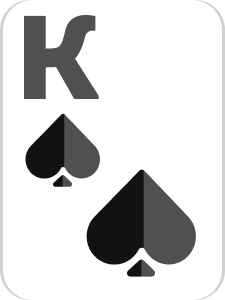
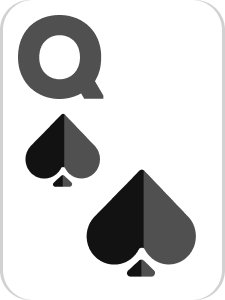
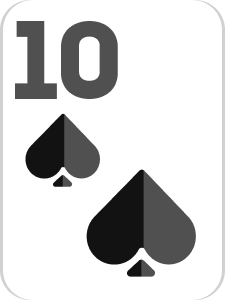
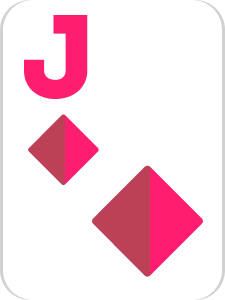
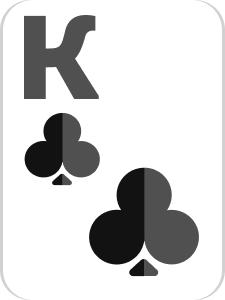
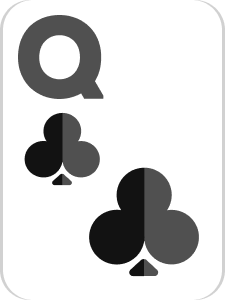
Example: You hold K♠ Q♠. The flop comes 10♠ J♦ 3♠. You have two spades with two more on the board, so a flush is possible if another spade comes (this is called a "draw" - you're one card away from completing a hand). You also have K-Q working toward a straight (you need an Ace or a 9). That's a strong position with plenty to play for.
Step 4 - The Turn
A fourth community card is added to the board. This card is called the turn.
Another betting round follows, same structure as the flop: starts left of the button, check or bet, fold/call/raise if someone bets.
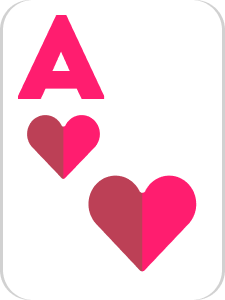
Example: Continuing the hand above - you hold K♠ Q♠, the board is 10♠ J♦ 3♠. The turn comes A♥. You just made a straight (A-K-Q-J-10). That's a strong hand, though you're no longer drawing to the flush since the Ace was a heart.
Step 5 - The River
The fifth and final community card is revealed. This is the river.
One last betting round. After this, anyone still in the hand goes to showdown.
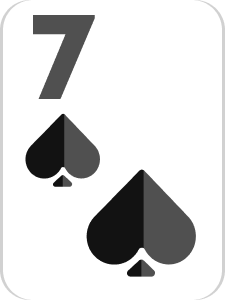
Example: The river comes 7♠. Now the board reads 10♠ J♦ 3♠ A♥ 7♠. You still have your A-K-Q-J-10 straight, but count the spades: K♠ and Q♠ from your hand, plus 10♠, 3♠, and 7♠ on the board. That's five spades - a flush (K♠ Q♠ 10♠ 7♠ 3♠). The flush beats the straight, so you'd play the flush.
Step 6 - Showdown
If two or more players remain after the final betting round, it's time for showdown. Players reveal their hole cards, and the best five-card hand wins the pot.
The software (or dealer) determines who shows first. In online play, the winning hand is revealed automatically and the pot is awarded.
If only one player remains (everyone else folded), there's no showdown at all. That player takes the pot without showing their cards. This is the most common way hands end.
Texas Hold'em Hand Rankings
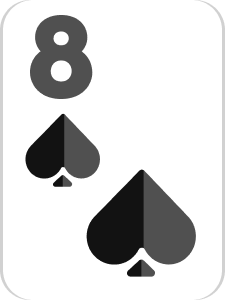
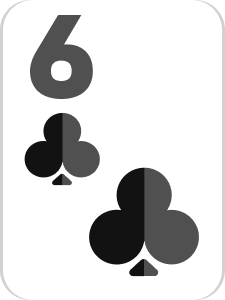
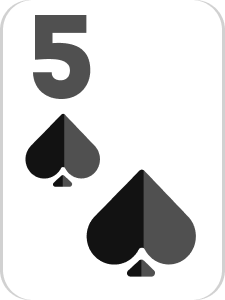
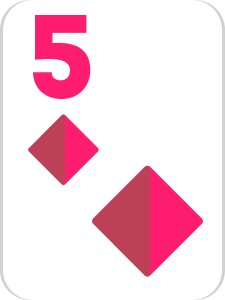
Your five-card hand falls into one of ten categories, ranked from strongest to weakest:
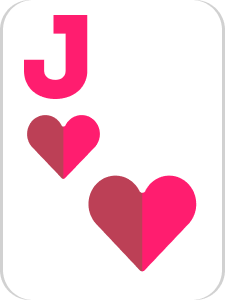
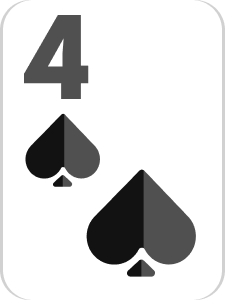
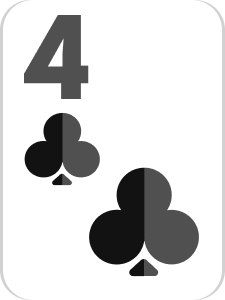
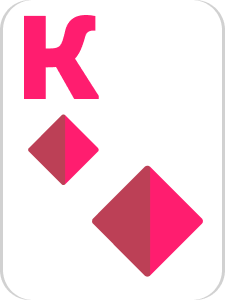
Odds for Texas Hold'em (best 5 of 7 cards)
You'll naturally learn these as you play. Most apps display hand rankings during the game, so you won't be guessing at the table.
For a deeper breakdown with visual examples and memory tricks, see the full hand rankings guide.
Which Five Cards Do I Actually Use?
You have seven cards available to you: your two hole cards plus five community cards. Your hand is the best possible five-card combination from those seven. The software (or dealer) determines this automatically, but it helps to understand how it works.
You don't have to use both hole cards. You can use two, one, or even zero of your hole cards. Whatever makes the best five-card hand.
Example: Your hole cards are K♥ 3♦. The board is A♠ A♦ A♣ A♥ Q♠. The best five-card hand here is four Aces with a King kicker - A♠ A♦ A♣ A♥ K♥. You're using one hole card (the King) and ignoring the other (the 3).
What if the best hand is the board itself? That can happen. If the board shows A♠ K♠ Q♠ J♠ 10♠ (a royal flush), everyone still in the hand has the same best hand, and the pot is split evenly.
What's a Kicker?
A kicker is the side card that breaks ties when two players have the same main hand.
Example: You hold A♠ K♦. Your opponent holds A♥ 9♣. The board is A♣ 7♠ 5♦ 3♥ 2♠. You both have a pair of Aces, but your King kicker beats their 9 kicker. You win.
Kickers come up constantly in Hold'em, especially when the community cards include a pair. The higher your unpaired cards, the better off you are in these situations.
Common Beginner Questions
What if two players have the exact same hand? The pot is split evenly between them. This is called a "split pot." It happens more than you'd think, especially when the community cards are strong and both players are effectively playing the board.
Who shows their cards first at showdown? In online play, the software handles this automatically - the winning hand is revealed and the pot is awarded. In a live game, the last player to bet or raise typically shows first.
Why is the betting order different before the flop? Before the flop, the blinds have already put money in the pot. To compensate, they get to act last. After the flop, the positional advantage resets - the player closest to the button's left acts first, and the button (or nearest active player) acts last. This is one reason position matters in poker: acting last means you've seen what everyone else did before you decide.
Can I check every round and just see what happens? Only if no one else bets. Once any player puts chips in, you have to fold, call, or raise. You can't check your way through a hand if there's money going in.
What's the difference between cash games and tournaments? In a cash game, chips represent real money. You buy in for a set amount, and you can leave whenever you want. A good habit is deciding your buy-in budget before you sit down and sticking to it. In a tournament, everyone starts with the same chips, the blinds increase over time, and you play until one player has everything. Same rules, different structure.
What You Don't Need to Worry About Yet
If you've read this far, you know enough to play. Here's what you can safely ignore for now:
- Bluffing - Beginners who try to bluff too early just give away chips. Play your cards honestly for now.
- Pot odds and math - Useful later, unnecessary now.
- Reading opponents - Focus on your own cards and decisions first.
- Position strategy - Yes, where you sit matters. But that can wait until you're comfortable with the basic flow of a hand.
These concepts matter, and you'll pick them up gradually. Trying to learn rules and strategy at the same time is how people get overwhelmed and quit.
Next Steps
Once you're comfortable with how a hand plays out, these are good places to go next:
- Poker Hand Rankings Explained (With Chart) - Visual guide with memory tricks for each hand type
- Beginner Poker Strategy - What to do with the rules once you know them
- Poker Lingo and Terms - Common jargon translated to plain English
Ready to Play?
The best way to learn Texas Hold'em is by playing. Poker apps walk you through each decision, show your hand strength, and let you practice at no cost. There's no need to play for real money while you're learning. You don't need to have this whole page memorized - the app handles the rules. You just focus on what to do with your cards.
Play your first hand free. Learn while you play, with guidance every step of the way.
Poker is a game of skill and chance. Play for fun, set limits you're comfortable with, and never wager more than you can afford to lose.