
Poker isn't one game. It's a whole family of card games that share some common ground - you're trying to make the best hand, there's betting, and someone takes the pot - but the actual rules change depending on which version you're playing.
Most people start with Texas Hold'em because that's what they see on TV. Fair enough. But Hold'em is one of many variants, and knowing what else is out there helps you pick the right game for your group and your skill level. It also means you won't be caught off guard when someone at the table suggests switching things up. We've played all five of the variants below across home games, online sessions, and casino tables - so this is based on what actually comes up, not just what sounds interesting on paper.
This guide covers the five variants you're most likely to run into at a casino, online, or around a friend's kitchen table. If you're brand new to poker terminology, no stress - everything gets explained as it comes up.
How Poker Variants Are Categorized
Every poker variant falls into one of three families:
Community Card Games - Players get private cards (called hole cards) and share community cards dealt face-up on the table. Texas Hold'em, Omaha, and Crazy Pineapple all belong here.
Stud Games - No shared cards. Each player gets their own cards, some face-up and some face-down. Seven-Card Stud is the classic example.
Draw Games - Everyone gets a complete hand dealt face-down, then can swap out cards they don't want. Five-Card Draw is the one most people know.
You'll also see terms like No-Limit, Pot-Limit, and Fixed-Limit attached to variant names. These describe how much you can bet, and we'll point them out as they come up.
1. Texas Hold'em
Texas Hold'em is the most played poker game on the planet. Every major online poker site defaults to it. The World Series of Poker Main Event is a Hold'em tournament. If you only learn one variant, make it this one.
How It Works
Each player gets two hole cards dealt face-down. Five community cards are dealt face-up on the table across three stages. Your goal is to make the best five-card hand using any combination of your hole cards and the community cards.
One thing that surprises new players: you can use both of your hole cards, just one, or even none (called "playing the board"). You're always picking the best five out of the seven available cards.
The hand plays out over four betting rounds:
- Preflop - After getting your two hole cards. Two players post forced bets called blinds to get action started. The player on the button (the dealer position) acts last after the flop.
- Flop - Three community cards are dealt at once. This is where the hand really takes shape.
- Turn - A fourth community card is added.
- River - The fifth and final community card. After a last round of betting, remaining players go to showdown and reveal their hands.
Because everyone shares the same board, Hold'em is easy to follow as a spectator. The drama comes from what's hidden in each player's hand.
Why Hold'em Dominates
The rules are simple enough to explain in five minutes: two cards, five shared cards, best hand wins. But the strategy underneath those rules goes incredibly deep. Position, bet sizing, reading opponents, bluffing - you can study Hold'em for years and keep finding new layers. And it's available everywhere. Virtually every poker app, casino, and tournament runs Hold'em tables, so finding a game is never a problem.
Hold'em is almost always played as No-Limit, meaning you can bet any amount up to your entire chip stack at any time. That's where those big all-in moments come from - someone shoving their entire stack into the middle of a single hand.
For a full walkthrough of how a Hold'em hand plays out, see our Texas Hold'em rules guide for beginners.
2. Omaha (Pot-Limit Omaha)
If Hold'em feels too slow or too reliant on patience, Omaha picks up the pace. More cards, more draws, much bigger hands.
How It Works
Omaha uses the same community card structure as Hold'em - flop, turn, river - with one major change: you get four hole cards instead of two.
The catch is a rule that trips up almost everyone coming from Hold'em:
You must use exactly two of your four hole cards and exactly three from the board. Not one. Not three. Exactly two.
That sounds simple enough until you're looking at a hand where it actually matters. Walk through this example:
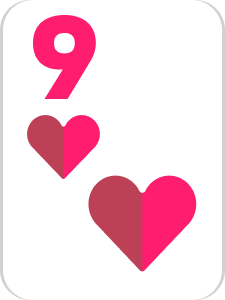
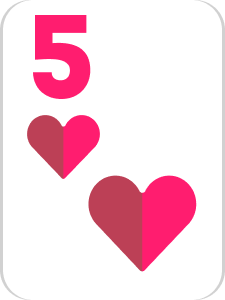
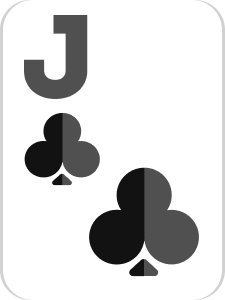
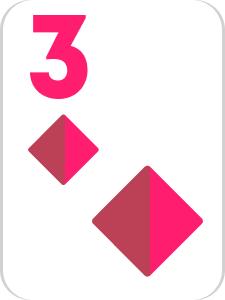
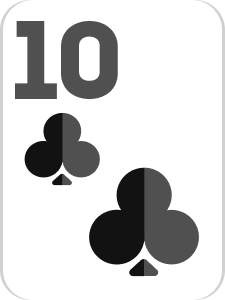
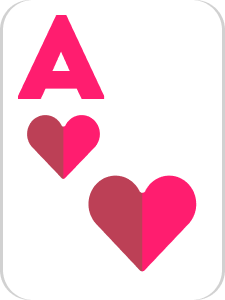
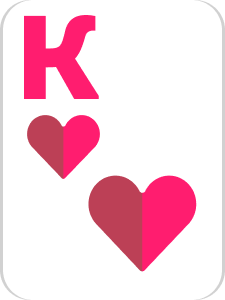
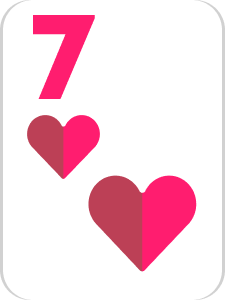
You count five hearts total - three in your hand, two on the board. Flush, right?
Not in Omaha. You can only use two cards from your hand. That gives you 2 hearts from your hand + 2 hearts from the board = 4 hearts total. Not a flush. You'd need three hearts on the board (plus your two) to actually have one.
This mistake happens constantly. If you take one thing away from the Omaha section, make it this rule.
What Makes Omaha Different
With four hole cards instead of two, you have many more two-card combinations to work with (four cards can be paired up in six different ways, compared to Hold'em's single pair). Stronger hands show up at showdown as a result. One pair almost never wins in Omaha. Full houses, flushes, and straights are the norm.
Most Omaha games use Pot-Limit betting, meaning you can bet up to the size of the pot but no more. Even with that cap, pots get massive because so many players have draws worth chasing.
Omaha is a great second game to learn after you're comfortable with Hold'em. The board structure is familiar, but the hand-reading is more complex and the action runs bigger. For full rules, see our Omaha poker rules breakdown.
3. Crazy Pineapple
Crazy Pineapple doesn't get casino floor space or tournament coverage, but at kitchen tables and casual games with friends, it's one of the most common variants going. It plays like Hold'em with one extra wrinkle.
How It Works
You're dealt three hole cards instead of two. The flop comes out, and you bet normally while still holding all three cards. Then, after the flop betting round is complete but before the turn card is dealt, you discard one of your three hole cards.
From that point on, the hand plays out exactly like Hold'em: turn card, bet, river card, bet, showdown.
The key detail: you see the flop and make your betting decisions with all three cards in hand. The discard comes after you've already acted, so you have more information when choosing which card to throw away.
Why People Like It
That extra starting card means you connect with flops more often. More draws, more pairs, more "almost there" situations. The discard also adds a decision that Hold'em doesn't have - sometimes it's obvious which card to drop, and sometimes it's a genuinely tough choice.
Crazy Pineapple works well if your home game group knows Hold'em and wants a change of pace without learning a whole new game. The rules fit in one sentence: "It's Hold'em, but you get three cards and throw one away after the flop."
If you want to try it at your next poker night with friends, we have a full Crazy Pineapple rules guide.
4. Seven-Card Stud
Before Texas Hold'em took over in the early 2000s, Seven-Card Stud was the poker game. It ruled American card rooms for decades and still has a dedicated following, especially among older players and mixed-game enthusiasts.
How It Works
Stud has no community cards at all. Every card belongs to one player, and some of those cards are face-up for the whole table to see.
The deal works in five rounds:
- Third Street - Each player gets two cards face-down and one card face-up. The player with the lowest exposed card posts a forced bet called the "bring-in."
- Fourth Street - Another card dealt face-up to each player. Betting round.
- Fifth Street - Another face-up card. Betting round.
- Sixth Street - One more face-up card. Betting round.
- Seventh Street (the River) - A final card dealt face-down. Last betting round.
By the end, each player has seven cards: two face-down (hidden), four face-up (visible to everyone), and one final face-down card. You use the best five of your seven cards to make your hand.
Stud doesn't use blinds. Instead, every player puts in an ante before the deal, and the bring-in bet starts the action. Betting is typically Fixed-Limit, meaning bets and raises are set to specific amounts rather than being open-ended.
What Makes Stud Challenging
The skill in Stud comes from tracking information. You can see several of your opponents' cards throughout the hand, and when players fold, their exposed cards go away. If you need a king to complete your straight but two kings already showed up in folded hands, your odds just got much worse. That's "dead card" reading, and it's a skill unique to Stud.
Players who enjoy memory-based games and paying close attention to detail tend to love Stud. You're unlikely to encounter it at a casual game night, but it shows up in casino mixed games and online rotations.
5. Five-Card Draw
Five-Card Draw is the simplest poker game and probably the oldest version most people picture when they hear "poker." It's the game from old Western movies, from childhood kitchen tables, and from every poker scene where someone says "I'll take three cards."
How It Works
Each player gets five cards face-down. No community cards, no exposed cards, nothing shared. After a round of betting, you get one chance to improve: throw away any number of your cards (zero through all five) and draw new ones from the deck.
Then a final round of betting, and remaining players show their hands. Deal, bet, draw, bet, showdown.
What Makes Draw Poker Interesting
The strategy in Five-Card Draw is almost entirely about reading your opponents based on how many cards they draw. Someone who draws one card is probably on a straight or flush draw, or sitting on two pair hoping to fill up. Someone who draws three likely has one high pair. Someone who stands pat (draws zero) either has a strong made hand or is bluffing.
One thing worth knowing: drawing four or five cards tells the whole table you have almost nothing. You'll rarely want to do that.
Before Hold'em exploded, Five-Card Draw was poker for most casual players. It's still a great game for small home games, especially with people who've never played before. The rules take one minute to explain, and new players can focus on hand rankings, betting, and reading opponents without getting lost in complex board textures.
Poker Variants at a Glance
A side-by-side comparison of all five variants:
| Variant | Hole Cards | Community Cards | Typical Betting | Difficulty | Best For |
|---|---|---|---|---|---|
| Texas Hold'em | 2 | 5 | No-Limit | Beginner-friendly | Online, tournaments, casinos |
| Omaha | 4 | 5 | Pot-Limit | Intermediate | Action seekers, experienced players |
| Crazy Pineapple | 3 (discard 1) | 5 | Varies | Beginner-friendly | Home games, casual play |
| Seven-Card Stud | 7 (dealt over rounds) | 0 | Fixed-Limit | Intermediate-Advanced | Players who enjoy memory/reads |
| Five-Card Draw | 5 | 0 | Varies | Easiest to learn | Home games, new players |
Other Poker Variants Worth Knowing
You don't need to learn these now. These are names you might hear at a table or online.
Omaha Hi-Lo (Omaha 8-or-Better) - Same as regular Omaha, but the pot is split between the best high hand and the best low hand. Adds a whole extra layer because you're trying to win both halves.
Short Deck (Six Plus Hold'em) - Hold'em played with a smaller deck where the low cards are removed. Big hands show up more often, and it's become popular in high-stakes games.
Razz - Seven-Card Stud, but the lowest hand wins. The goal is to make something like A-2-3-4-5.
HORSE - A rotation of five games: Hold'em, Omaha Hi-Lo, Razz, Stud, and Stud Eight-or-Better. Tests well-rounded poker ability.
Pineapple - Similar to Crazy Pineapple, but you discard your third card before the flop instead of after.
Which Poker Variant Should You Learn First?
If you're starting from zero, this order makes the most sense:
1. Texas Hold'em - Start here. It's the most widely available game, the easiest community card game to pick up, and has the most learning resources by far. Every concept you learn in Hold'em transfers to other variants. Our beginner poker strategy guide is built around Hold'em for this reason.
2. Five-Card Draw (for home games) - If you're hosting a casual game night with people who've never played, Draw is actually easier to teach than Hold'em because there's no board to explain. Good way to get non-poker friends comfortable with hand rankings and betting.
3. Omaha - Once Hold'em clicks, Omaha is the natural next step. Same board structure, but four hole cards and the must-use-two rule change everything. A lot of Hold'em players move to Omaha when they want more action.
4. Crazy Pineapple - Great for home games once your group is comfortable with Hold'em. The extra hole card and the discard keep things fresh without requiring anyone to learn a completely different game.
5. Seven-Card Stud - Learn this when you're ready for something genuinely different. No community cards, lots of exposed information, and a very different skill set.
Where you play matters too. If you're mostly online, Hold'em and Omaha should be your focus - those have the biggest player pools. If you're running a home game with friends, Draw and Crazy Pineapple are worth adding to the rotation. Check out our list of poker apps for playing with friends if you want to try different games.
One last thing: if you're playing for real money, start at the lowest stakes you can find and only use money you're comfortable losing. Poker has a learning curve, and keeping the financial pressure low lets you focus on actually getting better.
FAQ
What is the easiest poker variant to learn?
Five-Card Draw. Five cards, one swap, best hand wins. You can teach the full rules in about sixty seconds.
How many types of poker are there?
Dozens of recognized variants, and hundreds if you count home-game inventions. In practice, about five to eight variants account for most of the poker played worldwide. Texas Hold'em alone makes up the largest share by a wide margin.
What is the difference between Texas Hold'em and Omaha?
Hold'em gives you two hole cards; Omaha gives you four. The bigger strategic difference is that Omaha requires you to use exactly two of your hole cards, which means stronger hands are normal and one pair is almost worthless. If you're choosing between them, start with Hold'em and move to Omaha once community card poker feels comfortable.
What is the most popular poker game in the world?
Texas Hold'em. It dominates online poker, live tournaments, and casino cash games globally. The World Series of Poker, the World Poker Tour, and nearly every major poker broadcast features No-Limit Texas Hold'em.
Which poker variant is best for home games?
For a group of beginners, Five-Card Draw or Texas Hold'em. If your group already knows Hold'em and wants variety, Crazy Pineapple is the easiest addition - the rules take thirty seconds to explain. For more experienced groups, a dealer's-choice rotation that includes Omaha and Stud keeps things interesting all night.